Why Slip and Fall Accidents Happen in Retail
Slip-and-fall incidents rarely happen randomly. In most cases, they result from predictable and recurring environmental conditions. Understanding these causes is the first step toward prevention.
1. Wet Entryways
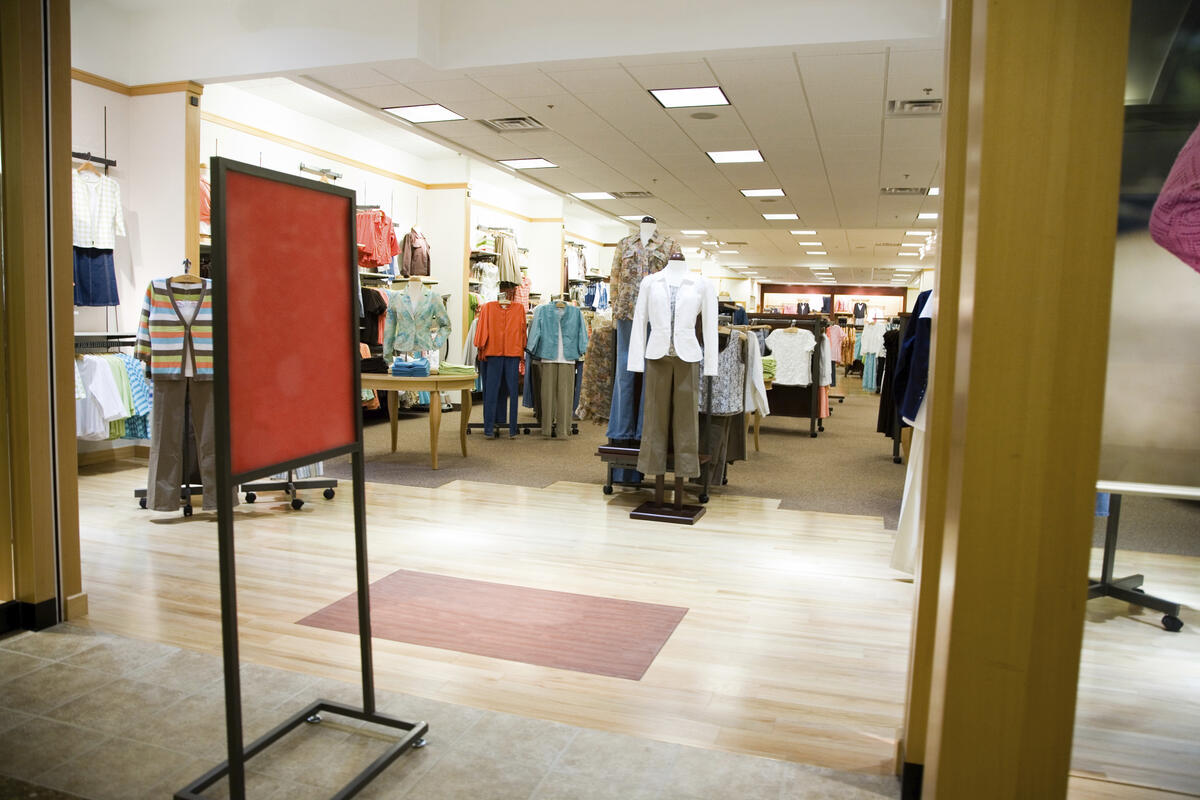
Retail entrances are the most common point for slip incidents. Rain, snow, sleet, and even morning dew are tracked inside by foot traffic. Without adequate moisture control systems, water accumulates on smooth flooring surfaces, dramatically reducing traction.
In high-traffic stores, dozens or even hundreds of customers may enter within minutes — compounding the problem.
2. Improper Flooring Material Selection
Not all commercial flooring performs the same under real-world retail conditions. Some surfaces may look appealing but lack sufficient slip resistance when exposed to moisture, dust, or cleaning residue.
Highly polished surfaces, improperly sealed concrete, or worn vinyl flooring can become hazardous quickly. Flooring material must be evaluated based on coefficient of friction (COF), expected traffic volume, and environmental exposure.
3. Poor Maintenance Practices
Even high-quality flooring can become dangerous if not maintained properly. Common maintenance issues include:
- Over-application of cleaning chemicals
- Soap residue buildup
- Worn finishes
- Delayed response to spills
- Infrequent deep cleaning
Improper cleaning protocols often create slick surfaces that increase risk instead of reducing it.
4. Weather-Related Tracking
Retailers in colder or wetter climates face seasonal surges in slip risk. Snow and ice melt into water inside vestibules. Salt and de-icing chemicals mix with moisture to create slippery films.
In dusty climates, fine particles act as ball bearings underfoot. Seasonal changes require proactive planning and adaptable flooring strategies.
5. Inadequate Entry Mat Systems
A common mistake retailers make is relying on small, decorative mats that are insufficient for true moisture control.
Effective entry systems are engineered solutions, not accessories. Without proper length, material, and placement, mats fail to capture dirt and moisture before it spreads throughout the store.
High-Risk Zones in Retail Stores
Slip-and-fall risk is not evenly distributed across a store. Certain areas consistently present higher exposure.
Understanding these zones allows facility managers to focus resources where they matter most.
Entrances and Vestibules
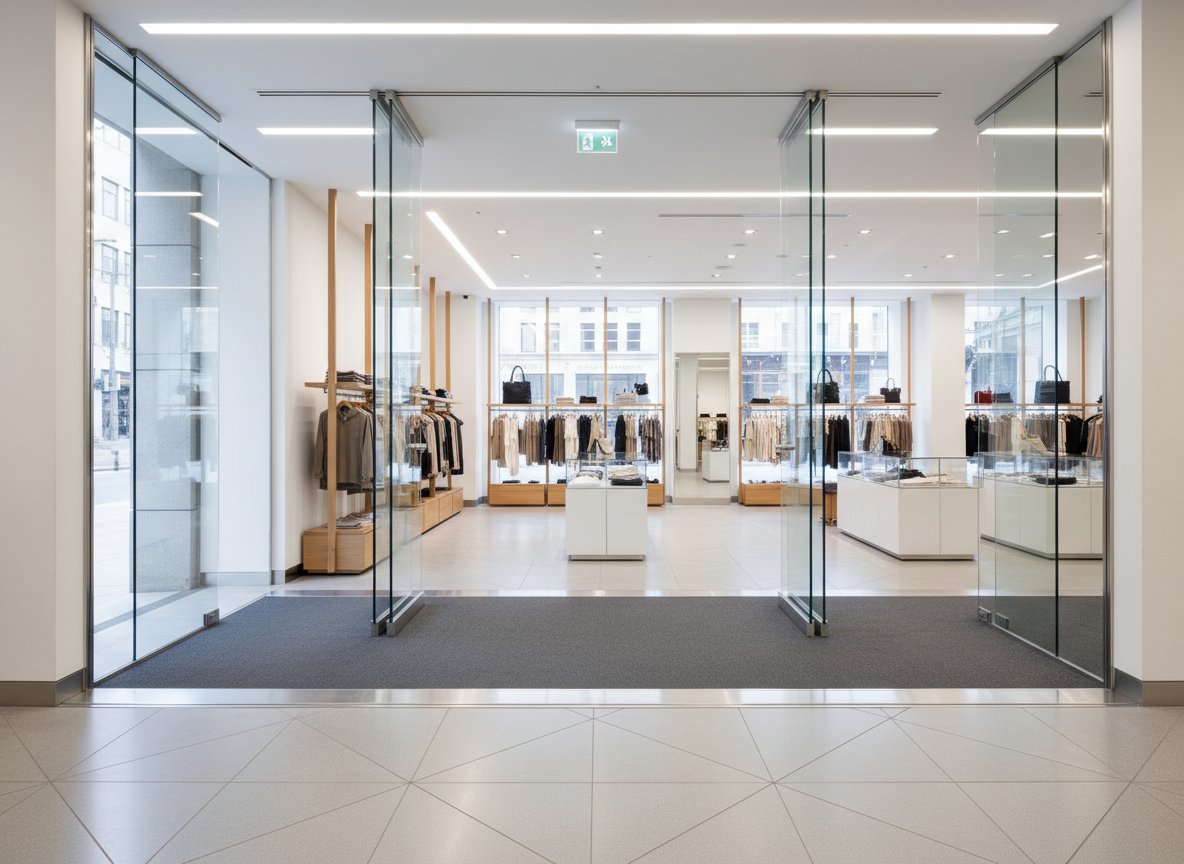
The first 10-20 feet inside the entrance experience the highest concentration of moisture and debris. Without adequate walk-off space, contaminants spread deeper into the sales floor.
Restrooms
Water splashing from sinks, condensation, and routine cleaning create frequent wet-floor conditions. Restroom flooring must be both slip-resistant and easy to maintain.
Produce Sections
Misting systems, melting ice, and dropped produce create recurring moisture hazards. These areas require targeted flooring and inspection protocols.
Beverage Stations
In grocery and convenience retail, beverage aisles and self-serve stations experience frequent small spills. Even minor leaks can create significant hazards.
Transition Areas
Transitions between flooring types (tile to polished concrete, for example) can create changes in traction. Worn transition strips or uneven surfaces increase trip risk.
7 Proven Ways to Prevent Slip and Fall Accidents
Effective slip prevention is layered. No single solution eliminates risk, but combined strategies dramatically reduce it.
1. Install High-Performance Entrance Matting Systems
An engineered entry system is the first line of defense. A properly designed system should:
- Include exterior scraper mats to remove large debris
- Use recessed grilles or heavy-duty vestibule systems
- Provide at least 10-15 feet of interior walk-off matting (more in wet climates)
- Be securely installed to prevent curling or shifting
Research shows that it takes several footsteps to effectively remove moisture from shoes. Short mats simply cannot do the job.
High-performance matting reduces cleaning costs, protects interior flooring, and significantly lowers slip risk.
2. Choose Slip-Resistant Flooring Materials
When selecting flooring for retail environments, consider:
- Static and dynamic coefficient of friction
- Surface texture
- Wet performance ratings
- Durability under heavy traffic
Textured porcelain tile, properly finished concrete, commercial-grade rubber flooring, and certain safety vinyl products offer improved traction.
It is important to balance slip resistance with cleanability and appearance.
3. Use Proper Cleaning Protocols
Cleaning procedures must enhance safety, not compromise it. Best practices include:
- Using manufacturer-approved cleaning solutions
- Avoiding excessive detergent use
- Thorough rinsing to prevent residue buildup
- Scheduling cleaning during low-traffic hours
- Ensuring floors are fully dry before reopening areas
Training custodial teams is essential. Consistency in cleaning practices reduces unpredictable surface conditions.
4. Implement Routine Floor Inspections
Proactive inspections identify hazards before incidents occur. Establish:
- Scheduled walkthroughs during peak weather events
- Hourly inspections in high-risk areas
- Clear documentation procedures
- Rapid-response spill protocols
Documentation also strengthens liability defense by demonstrating due diligence.
5. Maintain Grout, Seams, and Transitions
Worn grout lines, loose tiles, or curling edges create trip hazards. Regular maintenance should include:
- Inspecting transition strips
- Replacing cracked tiles promptly
- Resealing grout
- Ensuring flush installation between flooring types
Small defects often precede larger claims.
6. Address Spills Immediately
Retail employees should be trained to:
- Identify and report spills quickly
- Use clear signage during cleanup
- Isolate hazardous areas until fully dry
Speed matters. The shorter the spill remains unaddressed, the lower the risk.
7. Ensure Proper Lighting
Inadequate lighting can obscure wet surfaces or subtle floor irregularities. Bright, even lighting improves hazard visibility for both customers and staff.
Lighting audits are often overlooked in slip prevention strategies but play a critical role in overall safety.
Need Expert Guidance?
Our flooring specialists can help you identify the right solutions for your specific environment.
The Role of Flooring in Liability Reduction
Flooring is more than a design choice — it is a risk management asset.
"Flooring is more than a design choice — it is a risk management asset."
Coefficient of Friction (COF)
COF measures a surface's slip resistance. Selecting materials with appropriate wet and dry COF ratings is essential.
Retailers should consult industry standards and manufacturer testing data when evaluating materials.
ADA Compliance
The Americans with Disabilities Act (ADA) requires accessible routes to be stable, firm, and slip resistant. Flooring choices must align with accessibility requirements to avoid compliance issues.
Drainage Systems
In vestibules and high-moisture areas, recessed grilles or drainage-integrated mat systems prevent standing water accumulation.
Moisture Control Strategy
The goal is not just to clean water after it appears, but to prevent its spread in the first place. Layered entry systems, strategic flooring transitions, and moisture-resistant materials work together to contain hazards.
How Preventative Flooring Pays for Itself
Investing in safety-focused flooring is not simply an expense — it's a long-term financial strategy.
Insurance Savings
Fewer claims can contribute to stabilized or reduced insurance premiums over time. Insurers often assess risk mitigation practices during policy evaluation.
Fewer Claims and Legal Costs
Slip-and-fall claims can cost tens of thousands of dollars — or more when litigation is involved. Even one avoided claim may offset years of preventive investment.
Reduced Downtime
When incidents occur, operations may be disrupted. Investigations, repairs, and reputational impact affect revenue.
Extended Flooring Life
High-performance entry systems prevent abrasive dirt and moisture from damaging interior flooring. This reduces premature wear and replacement costs.
Improved Customer Confidence
Customers may not consciously evaluate flooring safety, but they notice clean, dry, well-maintained environments. Safety contributes to trust, comfort, and brand perception.
View Flooring Solutions
Explore our complete range of commercial flooring products designed for safety and performance.
Building a Proactive Slip Prevention Strategy
Retailers that successfully reduce slip risk typically:
- Conduct annual flooring risk assessments
- Review seasonal weather impacts
- Upgrade entry systems strategically
- Train staff consistently
- Monitor maintenance quality
- Document safety efforts
Slip prevention is not a one-time project. It is an ongoing operational discipline.
Final Thoughts
Slip-and-fall accidents are among the most preventable risks in retail environments, yet they remain one of the most common sources of liability.
By focusing on entry systems, appropriate flooring materials, maintenance protocols, and proactive inspection practices, retail operators can significantly reduce risk while protecting customers, employees, and their brand.
Safety and profitability are not competing priorities. In fact, in retail environments, they are closely aligned.